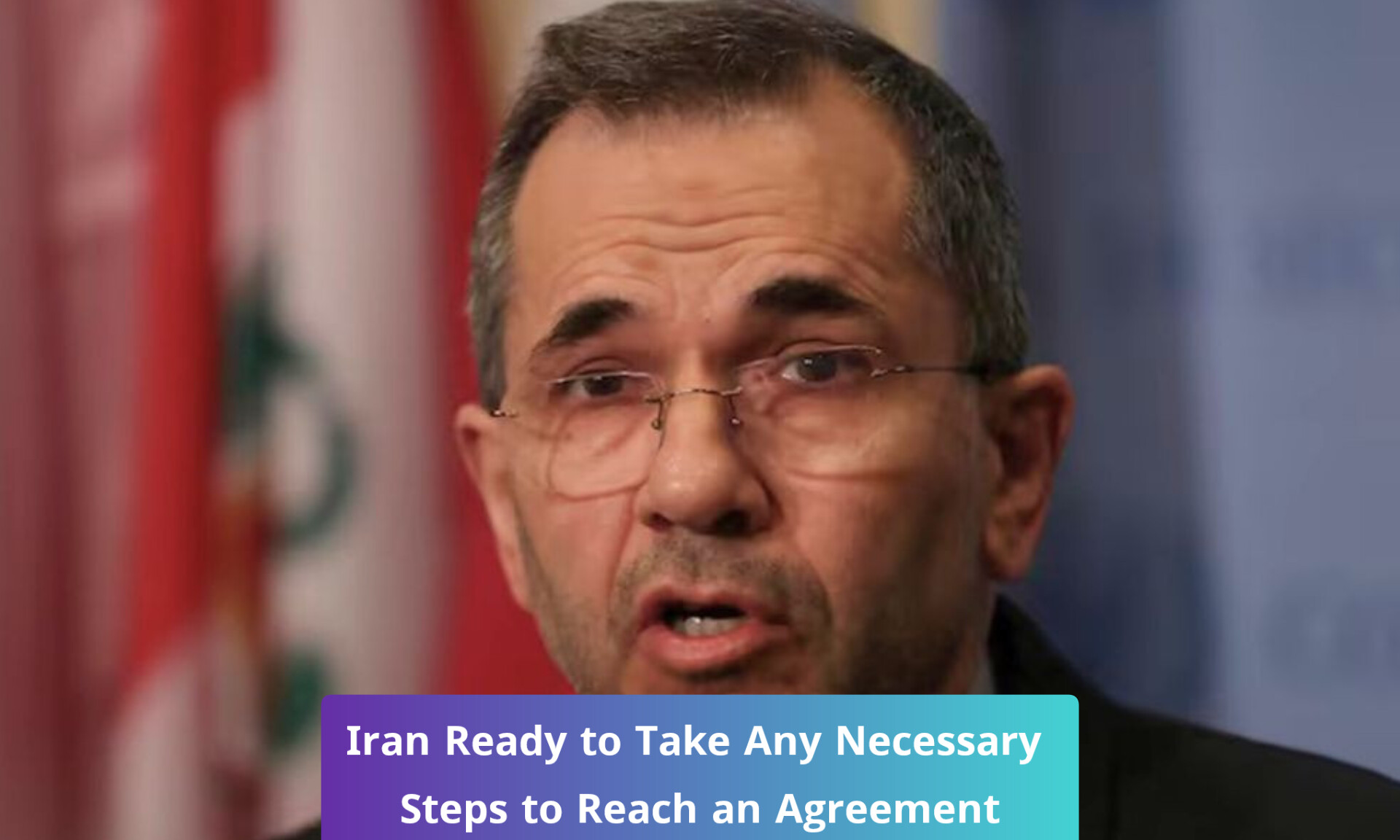
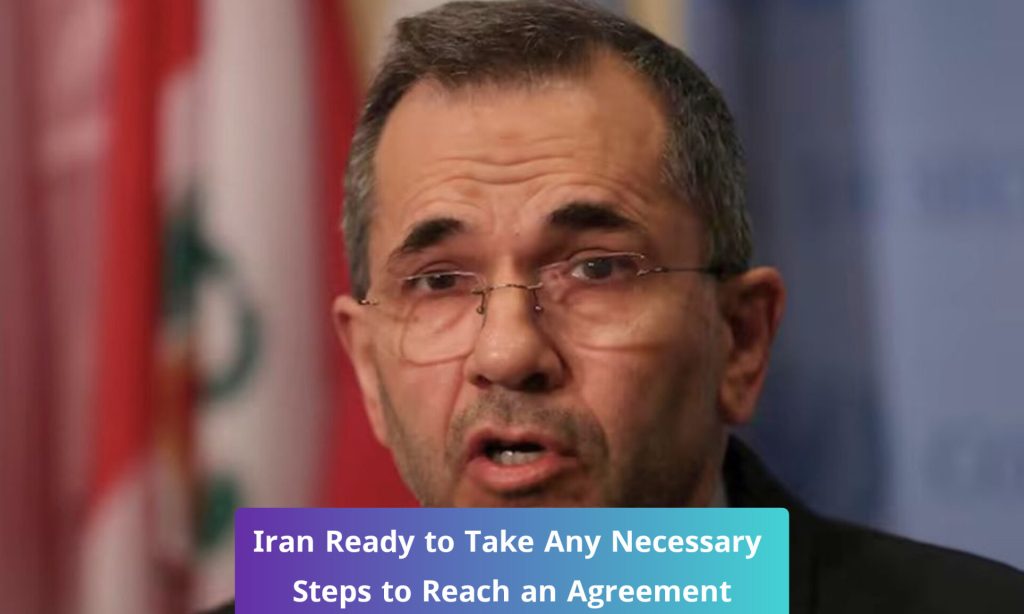
Iran has reiterated its readiness to take all necessary steps to reach a nuclear agreement with the United States, as fresh diplomatic efforts gain momentum amid heightened regional tensions. Speaking ahead of a new round of talks scheduled in Geneva, Iran’s Deputy Foreign Minister Majid Takht-Ravanchi emphasized Tehran’s commitment to achieving a deal as quickly as possible.
The upcoming meeting, set to take place on Thursday (February 26) in Switzerland, will bring together senior representatives from both sides. The U.S. delegation is expected to include Special Envoy Steve Witkoff and Jared Kushner, son-in-law of U.S. President Donald Trump. The talks mark another attempt to revive negotiations that resumed earlier this month after a prolonged period of deadlock.
Tensions between Tehran and Washington have escalated significantly in recent weeks, particularly in light of U.S. military deployments in the region. Iran has voiced strong objections to what it describes as American military buildup near its borders. Iranian officials have warned that if the country is attacked, it would retaliate by targeting U.S. military bases in neighboring countries. Such statements have further complicated an already fragile diplomatic environment.
Read more
Despite the rising rhetoric, Iranian officials have publicly expressed optimism about the possibility of reaching an agreement. In remarks carried by state media prior to the Geneva meeting, Deputy Foreign Minister Takht-Ravanchi stated, “We are ready to reach an agreement as soon as possible. We will do whatever is necessary to achieve this goal. We will enter the negotiating room in Geneva with full sincerity and good faith.” His comments appear aimed at signaling Iran’s willingness to engage constructively, even as regional tensions persist.
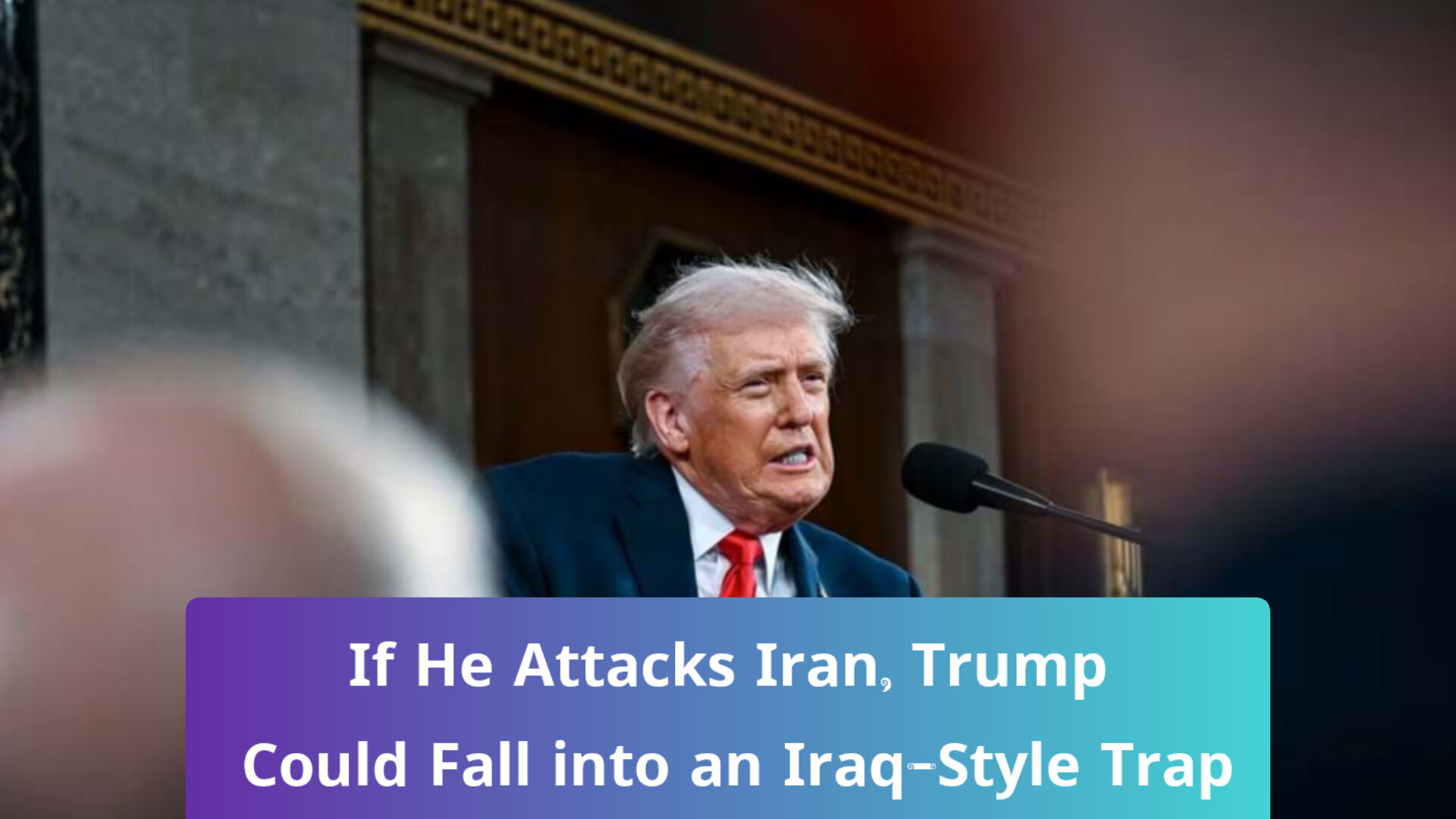
On the American side, however, the message has been firm. Earlier this week, White House spokesperson Karoline Leavitt conveyed a clear warning from President Trump. Speaking to reporters at the White House, she said that while diplomacy remains the president’s preferred option, he is prepared to use military force if required. “President Trump’s first choice is always diplomacy,” she noted. “But as he has demonstrated, if necessary, he is willing to use the lethal power of the United States military.”
She added that the president’s decision on the matter would be final.
The longstanding conflict between Iran and the United States is not new, but it has intensified since Trump assumed office. His administration adopted a more confrontational approach toward Tehran, frequently issuing warnings and imposing pressure in response to Iran’s nuclear activities and regional influence. The nuclear issue, in particular, has remained at the center of disputes, with both sides accusing each other of failing to uphold commitments.
Read more
Notably, the first two rounds of renewed talks this month failed to produce any concrete breakthrough regarding Iran’s nuclear program. Key disagreements persist over enrichment levels, sanctions relief, and verification mechanisms. President Trump has reportedly given Iran a 10-day deadline to show progress toward an understanding, further increasing the urgency surrounding the Geneva discussions.
As diplomats prepare to meet once again, the stakes remain high.
A successful agreement could ease regional tensions and prevent further escalation. However, the combination of military warnings, political pressure, and unresolved technical disputes suggests that the path to a comprehensive deal will not be easy. Whether the Geneva talks can produce meaningful progress remains to be seen, but both sides appear to recognize that continued confrontation carries significant risks for regional and global stability.