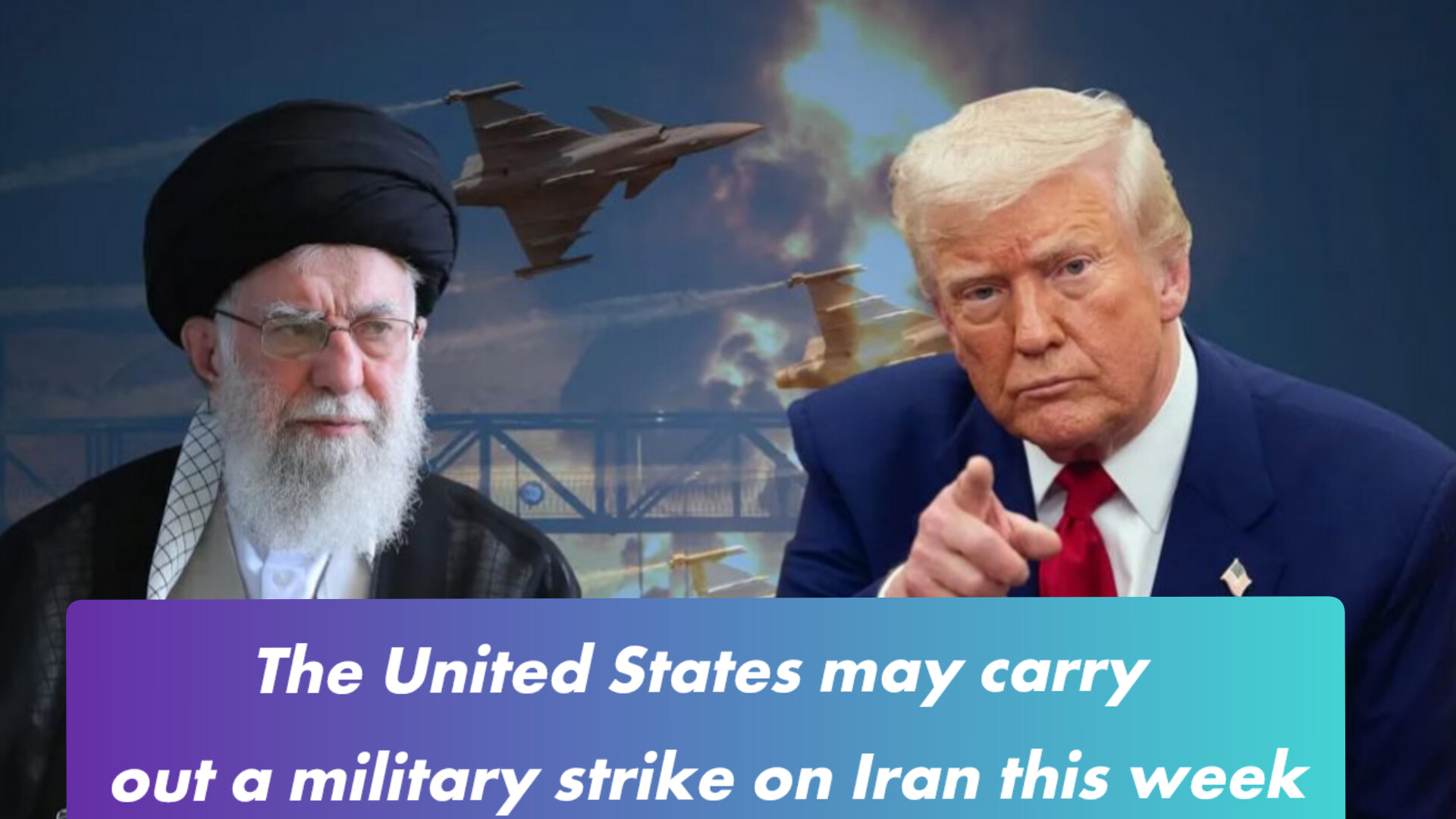
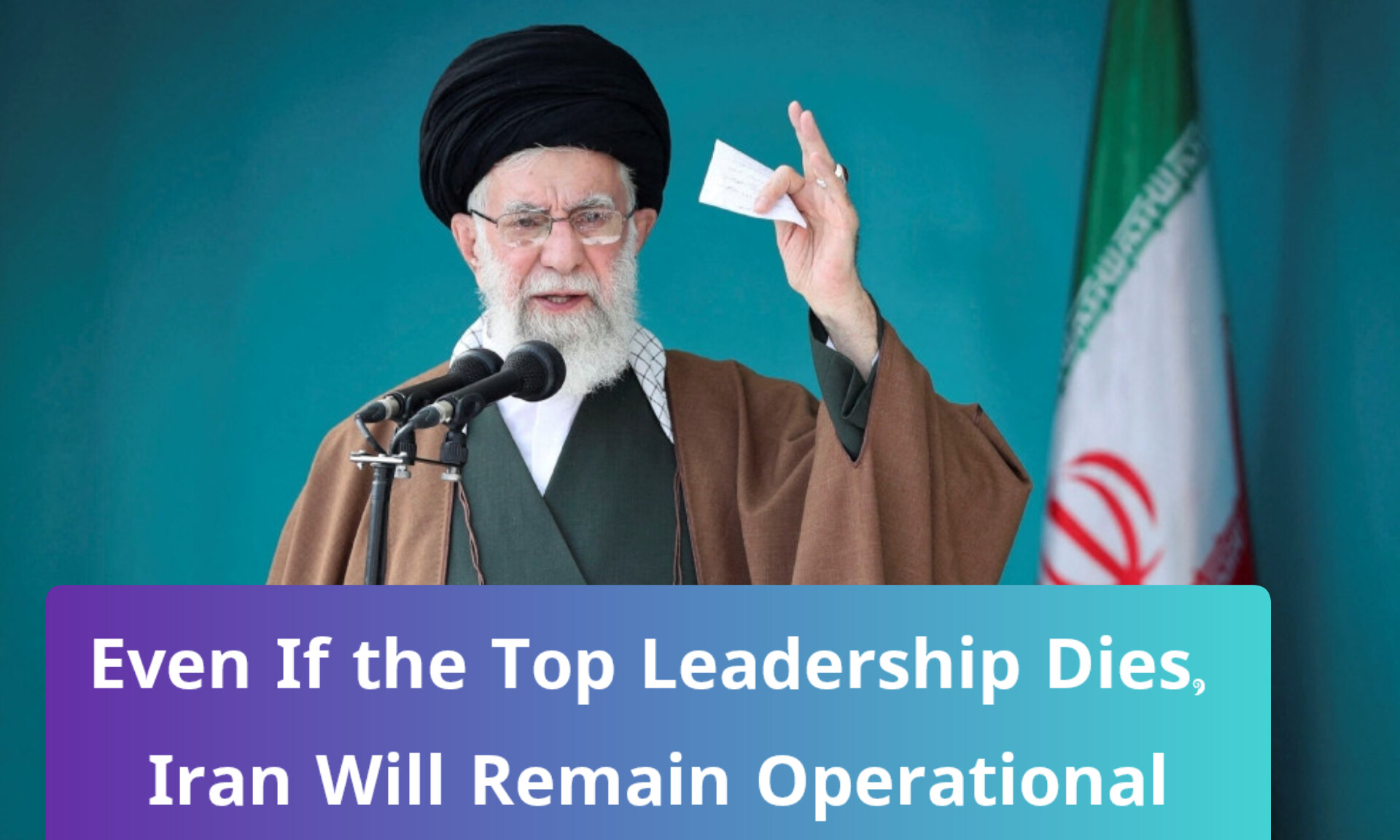
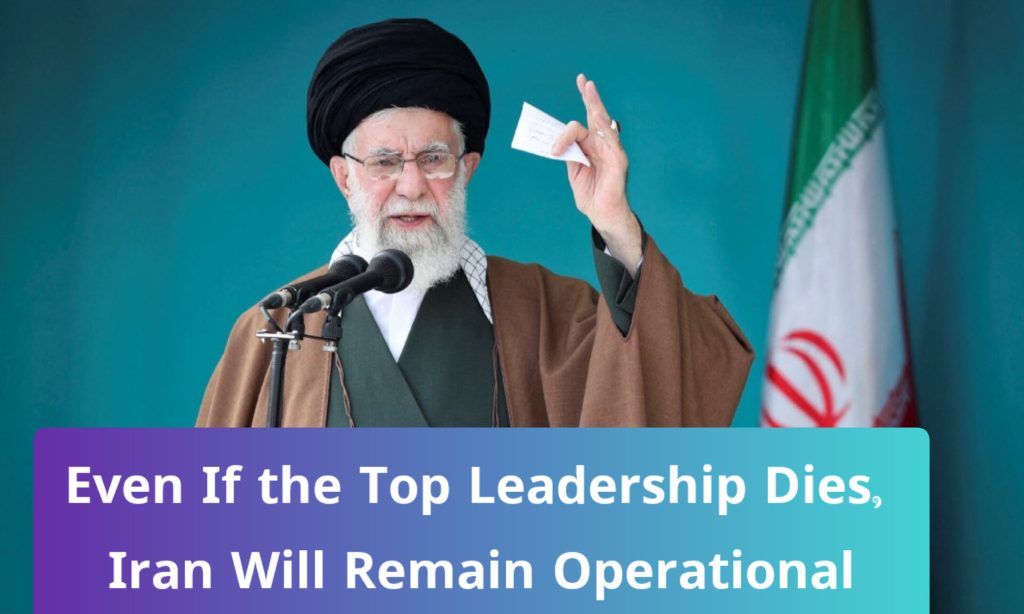
Tensions between United States and Iran continue to escalate, raising fears of a potential military confrontation in the Middle East. Reports suggest that Washington could launch military strikes against Iran at any moment, while Israel may also take aggressive action. Amid growing concerns over possible targeted assassinations of Iran’s top leadership, Supreme Leader Ayatollah Ali Khamenei has reportedly put in place what observers describe as a “master plan” to ensure the survival of the Islamic Republic in the event of a crisis.According to a report by The New York Times, Khamenei has taken precautionary steps to safeguard the country’s political and administrative continuity should he become incapacitated or killed. In such an emergency, key responsibilities would be transferred to trusted figures within the leadership structure.
Among those entrusted with a significant role is Ali Larijani, who has reportedly been given special responsibilities to help maintain national stability.The report indicates that Khamenei has issued multiple directives aimed at preserving the governing system. These include establishing a four-tier succession framework for both military and government positions. Senior officials have reportedly been instructed to designate four alternative candidates for their roles to ensure uninterrupted operations in case of sudden leadership losses.
Sources, including senior officials, diplomats, and military commanders, told the newspaper that if communication with Khamenei is severed or if he is assassinated, authority would immediately shift to pre-approved and trusted individuals.Ali Larijani, recently appointed as Secretary of the Supreme National Security Council in August, is considered a central figure in this contingency arrangement.
The council holds ultimate authority over matters of national security and foreign policy. Although Larijani is not a senior Shia cleric and therefore cannot assume the position of Supreme Leader, he is reportedly viewed as a leading candidate to oversee administrative functions if Iran’s top leadership is disrupted.Other prominent figures mentioned as potential leaders in a crisis scenario include Parliament Speaker Mohammad-Bagher Ghalibaf and former President Hassan Rouhani. During a 12-day conflict with Israel last June, Khamenei reportedly named three possible successors, further underscoring concerns about continuity amid rising tensions.
The current strain in relations comes as diplomatic discussions between Tehran and Washington continue, though with little visible progress in reducing hostilities. Recently, Khamenei warned former U.S. President Donald Trump that he would not be able to “destroy” Iran. Analysts believe that Khamenei’s latest directives are intended to send two clear messages to the world: first, that a change in leadership will not weaken Iran’s policies or resistance strategy; and second, that assassinating top officials would not paralyze the state apparatus.Following publication of the report, international attention has intensified. Policymakers in Washington and Tel Aviv are said to be closely monitoring Iran’s new organizational measures. Observers believe the 86-year-old Supreme Leader is prioritizing internal stability alongside external defense preparations.Meanwhile, although Trump has threatened military action, he has not clearly outlined the ultimate objectives of the United States.
The U.S. has reportedly deployed warships and numerous fighter jets to the region, signaling readiness for escalation. Questions remain about whether Washington aims to carry out limited strikes against Iran’s military infrastructure, particularly the Islamic Revolutionary Guard Corps (IRGC), dismantle Iran’s missile program, or even push for regime change in Tehran.Iran, for its part, has warned that any attack would be met with a strong and decisive response.
As tensions mount over Iran’s nuclear activities, missile capabilities, and regional influence, uncertainty looms over the trajectory of the crisis. Whether the situation will lead to open conflict or a renewed diplomatic breakthrough remains unclear, but the stakes for regional and global stability are undeniably high.