
Ramadan is a time for spiritual reflection and discipline, but the sudden shift in eating patterns can often take a toll on the digestive system. Transitioning from a day of fasting to a heavy meal can lead to bloating, acid reflux, and sluggishness. To ensure your body remains as energized as your spirit, choosing the right foods during Iftar (the breaking of the fast) and Suhoor (the pre-dawn meal) is essential.
Below is a detailed guide on what to eat and what to avoid to keep your digestion smooth throughout the holy month.
Iftar: Breaking Your Fast the Right Way
After many hours of fasting, your stomach is in a sensitive state. The goal of Iftar should be to provide an immediate energy boost while preparing the digestive tract for a larger meal.
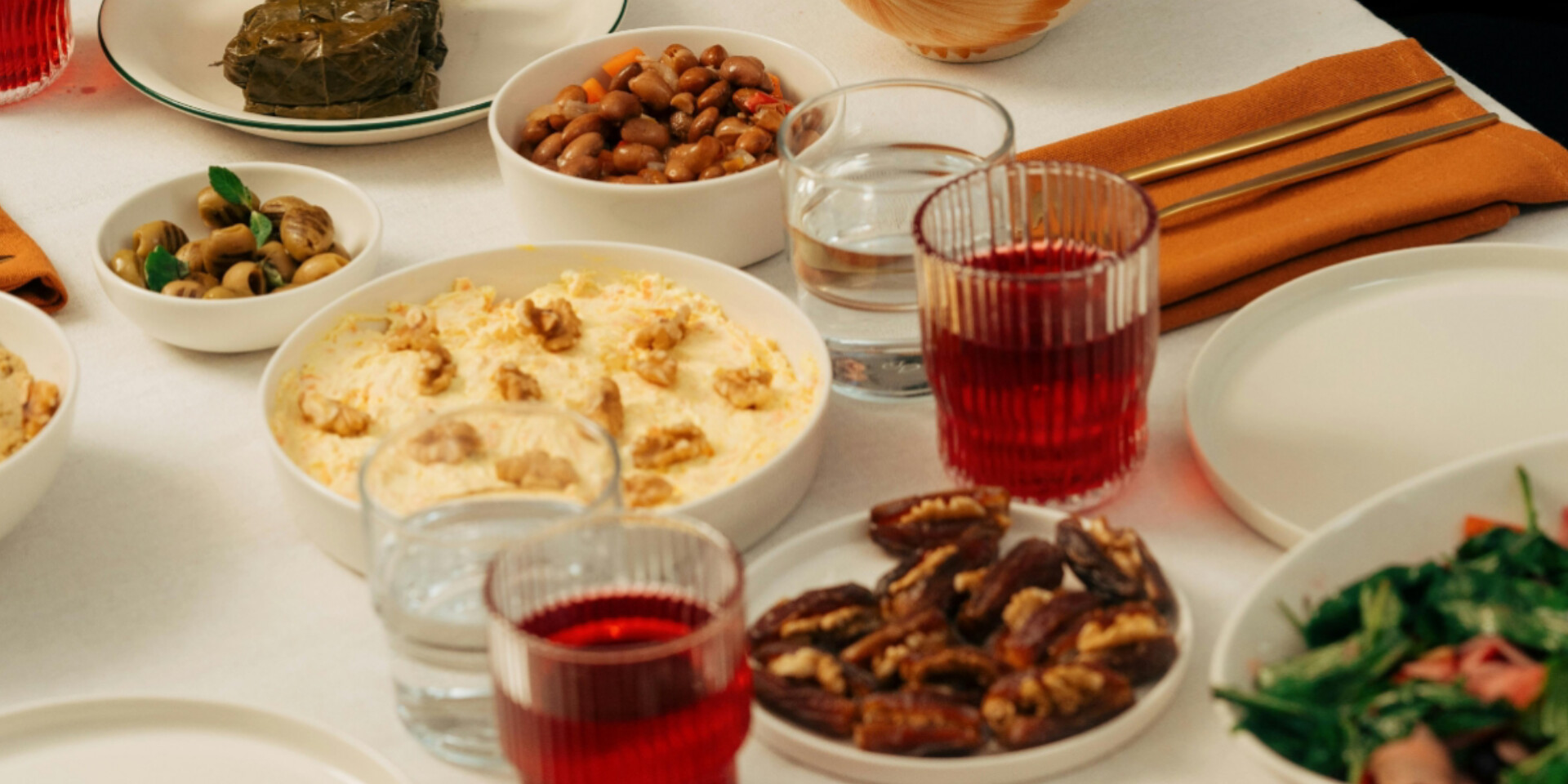
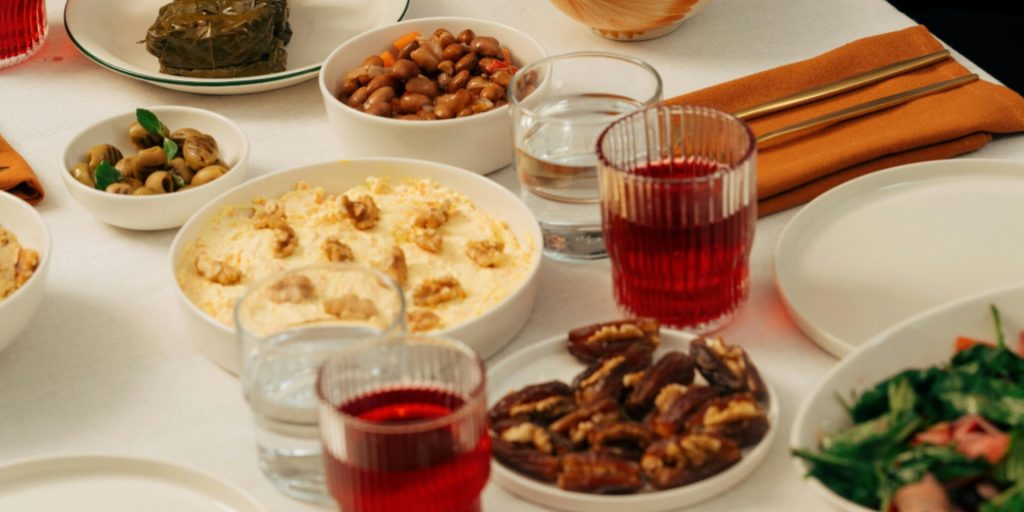
The Power of Dates: Traditionally, the fast is broken with dates. Beyond the religious significance, dates are nutritional powerhouses. They provide natural sugars like fructose and glucose for an instant energy spike. More importantly, they are rich in dietary fiber, which “wakes up” the digestive system and prevents constipation. Varieties like Medjool or Ajwa are particularly recommended for their high mineral content.
Hydrating and Warming Soups: Jumping straight into solid, heavy food can cause stomach cramps. Starting with a warm bowl of lentil, vegetable, or chicken soup hydrates the body and stimulates the secretion of digestive enzymes. It acts as a gentle bridge for your stomach.
Probiotic-Rich Yogurt: Incorporating plain yogurt or Laban into your Iftar is one of the best defenses against bloating. Yogurt contains probiotics—beneficial bacteria that balance the gut microbiome. These microbes help break down food more efficiently and significantly reduce the chances of acidity or gas.
Easy-to-Digest Fruits: Reach for fruits with high water and enzyme content. Papaya is a standout choice because it contains papain, a natural enzyme that aids protein digestion. Watermelon, apples, and bananas provide essential vitamins and hydration without being heavy on the stomach.
Suhoor: Fueling for the Day Ahead
The Suhoor meal needs to sustain you for over 12 hours. The focus here should be on slow-release energy and hydration.
Complex Carbohydrates (Oats and Whole Wheat): Instead of white bread or sugary cereals, opt for oats or whole-wheat (Lal Ata) roti. These are high-fiber, complex carbs that take longer to break down, meaning they keep you full for longer and provide a steady stream of energy without causing digestive spikes.
Lean Protein (Boiled Eggs): Eggs are an excellent source of high-quality protein. However, to avoid indigestion, it is best to eat them boiled or poached rather than fried in heavy oil. Protein helps in muscle retention and keeps hunger pangs at bay.
Light Vegetables: Include water-rich vegetables like bottle gourd (Lau), ridge gourd (Jhinga), or spinach. These are easy on the stomach, high in fiber, and contribute to your overall hydration levels.
Read more
Strategic Hydration: It is a common mistake to chug a gallon of water right before Fajr. This can lead to bloating and frequent bathroom trips. Instead, sip water consistently between Iftar and Suhoor to ensure your cells stay hydrated, which is crucial for metabolic processes.
What to Avoid to Protect Your Gut
Sometimes, what you don’t eat is more important than what you do. To prevent that heavy, “burnt” feeling in your chest, limit the following:
Excessive Fried Foods: While Piyaju, Beguni, and Samosas are staples, they are loaded with trans fats. Deep-fried foods slow down digestion and are a primary cause of acid reflux.
Heavy Spices: Overly spicy or oily curries can irritate the stomach lining, leading to “heartburn” during the fasting hours.
Read more
Carbonated Drinks: Soda and soft drinks fill the stomach with gas and provide “empty calories” with no nutritional value, often leading to immediate bloating.
The “Big Meal” Syndrome: Avoid the urge to eat a massive amount of food in one sitting. Overloading the stomach causes the digestive system to struggle, leading to lethargy and indigestion.
Final Thoughts
By prioritizing fiber, lean proteins, and probiotics, you can maintain a healthy gut during Ramadan. Listen to your body—eat slowly, chew thoroughly, and give your stomach the time it needs to process your meals.
Would you like me to create a sample 7-day meal plan based on these healthy guidelines?