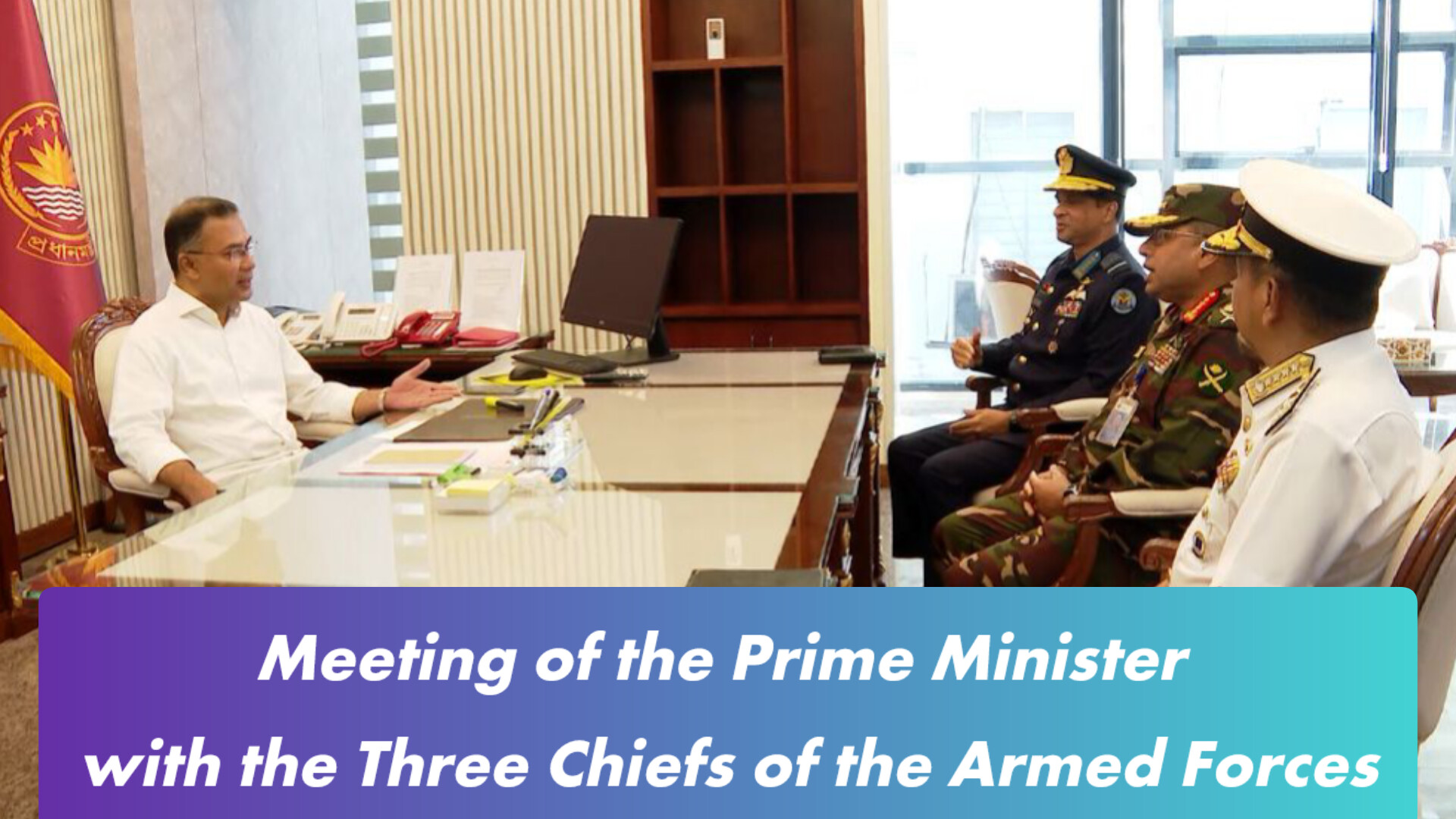
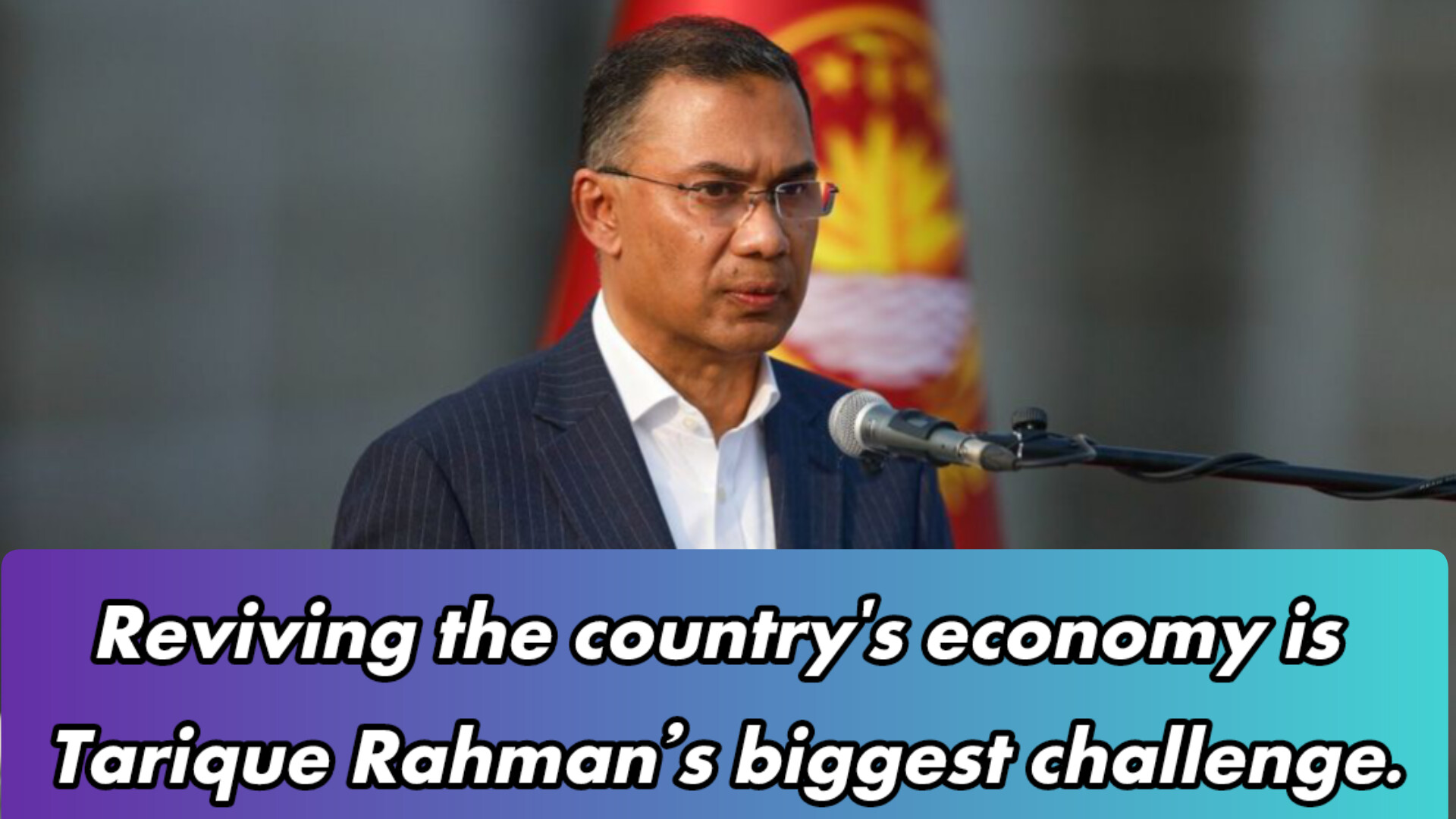
On 12 February, Bangladesh held its 13th national parliamentary election. In the vote, the Bangladesh Nationalist Party (BNP), led by Tarique Rahman, secured a two-thirds majority. This was the first election since the 2024 student–people uprising, and the party of the ousted former prime minister Sheikh Hasina, the Awami League, was not allowed to participate.One of the most significant developments of this election was the emergence of the Islamist party Bangladesh Jamaat-e-Islami as a major political force. Since independence in 1971, power in Dhaka has alternated between the Awami League and the BNP. Jamaat has never governed alone, but this time it gained notable support, particularly in regions bordering India’s West Bengal.Although a two-thirds majority gives the BNP broad authority to pass laws and shape policy,
economic setbacks could quickly expose the government to pressure—from Jamaat-e-Islami on one side and from the Awami League’s residual support base on the other.Youth dissatisfaction over unemployment and corruption is unlikely to fade easily. Recently sworn in as prime minister, Tarique Rahman will need to work hard to maintain political stability. Ultimately, his political success will depend on reviving the economy.The BNP has pledged to double the size of Bangladesh’s nominal GDP from $460 billion to $1 trillion by 2034. Achieving this goal would require around 9 percent annual growth—an enormous challenge for an economy currently growing at roughly 4 percent.
The party has promised to increase education spending from 2 percent to 6 percent of GDP and health spending from 0.75 percent to 5 percent. However, no credible plan has yet been presented to raise the necessary government revenue. Private investment would also need to rise from 23 percent to 35 percent of GDP to sustain such accelerated growth.Over the past 18 months, high interest rates have drawn strong criticism from economists and business leaders. Many argue that structural weaknesses in the distribution system—rather than monetary policy alone—are the main cause of persistently high food prices..
This remains a key vulnerability for the new government.Agriculture contributes 12 percent of GDP, and about 50 million people—44 percent of the workforce—are employed in the sector. To reduce urban food prices while ensuring fair returns for struggling farmers, the prime minister must crack down on powerful and unregulated middlemen operating along the farm-to-city supply chain. Investment in post-harvest logistics will also be essential to stabilize supply and prices.Another major priority is remittance management, which is arguably no less important than any program supported by the International Monetary Fund. Nearly 10 million Bangladeshis work abroad, especially in Gulf countries, and they play a crucial role in maintaining foreign exchange reserves. In just three months, they remitted about $7.5 billion—an amount equivalent to the country’s entire IMF support package.After the fall of the Awami League government in 2024, many migrant workers shifted from informal hundi channels to formal banking systems. As a result, remittances surged from $21 billion in 2023 to $30 billion in 2025.
This $9 billion increase exceeds Bangladesh’s total annual garment exports to the United States. However, if controls on illegal channels are relaxed, the central bank risks losing this vital source of foreign currency.Each year, around one million Bangladeshis go abroad for work. This serves as an economic safety valve, as nearly two million new job seekers enter the labor market annually—far more than the domestic economy can absorb. Unfortunately, the labor export sector is plagued by corruption and exploitation. Several countries have already restricted Bangladeshi workers, leaving the country dangerously dependent on Saudi Arabia for new employment opportunities.A report on Bangladesh’s economic reconstruction was led by prominent economist Khan Ahmed Saeed Murshid. He advises realism in pursuing reforms.
While the BNP should maintain ambitious long-term goals, it must also prioritize “high-impact, small-scale projects” for immediate results. The new administration must ensure reliable energy supplies for industry and repair the weakened financial sector. A major looming risk is Bangladesh’s graduation from Least Developed Country (LDC) status in November 2026, which will lead to the loss of key trade preferences on which exporters still rely.Reviving the economy is closely tied to geopolitics.
The BNP’s election manifesto expressed interest in joining ASEAN. However, in his first appearance before international journalists, Tarique Rahman emphasized SAARC, the regional bloc initiated in 1980 by his father, former president Ziaur Rahman. SAARC is widely regarded as ineffective, especially amid India–Pakistan tensions that have hindered regional trade.Bangladesh also shares a border with Myanmar, an ASEAN member state. More than one million Rohingya refugees from Myanmar continue to live in dire conditions in Bangladesh, with no lasting solution in sight. Joining ASEAN could offer Bangladesh access to diversified supply chains and greater foreign direct investment.Despite sharing the longest border with India, relations between Dhaka and New Delhi have deteriorated since Sheikh Hasina fled to India in 2024.
India’s refusal to extradite her for trial has fueled criticism in Bangladesh. Visa services between the two countries have effectively been suspended, and even sports ties have suffered.In this context of widespread public distrust toward India, the BNP must tread carefully in rebuilding ties with New Delhi. At the same time, India lacks the capacity to compete with China in infrastructure and industrial investment. There have also been allegations of one-sided agreements, particularly regarding power deals with the Adani Group, which supplies about 15 percent of Bangladesh’s electricity and maintains close ties with the Indian government.India could ease tensions by reducing non-tariff barriers on Bangladeshi imports or agreeing to fair water-sharing arrangements.
However, given the limited prospects for flexibility from New Delhi, any future rapprochement may remain constrained.Ultimately, Tarique Rahman’s greatest foreign policy challenge will be balancing relations between the United States and China. China is Bangladesh’s largest trading partner, with bilateral trade totaling around $18 billion annually. Beijing is also the country’s primary defense supplier and has recently agreed to establish a drone manufacturing plant in Bangladesh. Under the Belt and Road Initiative, China has pledged more than $24 billion in investments.Meanwhile, the United States is the single largest market for Bangladeshi garment exports and a leading investor in the energy sector. Shortly before the election, newly appointed U.S. ambassador Brent Christensen stated that he would clearly outline the “risks” of engagement with China to the new government.
His remarks drew a strong reaction from Beijing. Christensen indicated that Washington would emphasize the “opportunities” offered through military cooperation and noted that U.S. companies are assessing investment prospects in Bangladesh, pending clear pro-investment signals from the new administration.Although Bangladesh’s political elite often lean toward the West, much of the country’s infrastructure investment has come from Asia.
Japan and China have led major projects in bridges, ports, and railways. Beijing has also proposed financing a $1 billion project to improve irrigation through river water storage. A delegation of 143 Chinese companies visited Bangladesh last year but expressed limited satisfaction with the interim government’s performance.China is now waiting to engage with the Tarique Rahman administration.
If he sends a clear signal to Washington, American businesses may act swiftly. Otherwise, he may look to Beijing for expanded investment.Despite the immense challenges facing his new government, Tarique Rahman has an opportunity to revive the economy and restore stability. The son of former president Ziaur Rahman and former prime minister Khaleda Zia, he has shown interest in working with regional partners. Whether he can emerge as a statesman—or a catalyst for South Asian political transformation—remains to be seen.