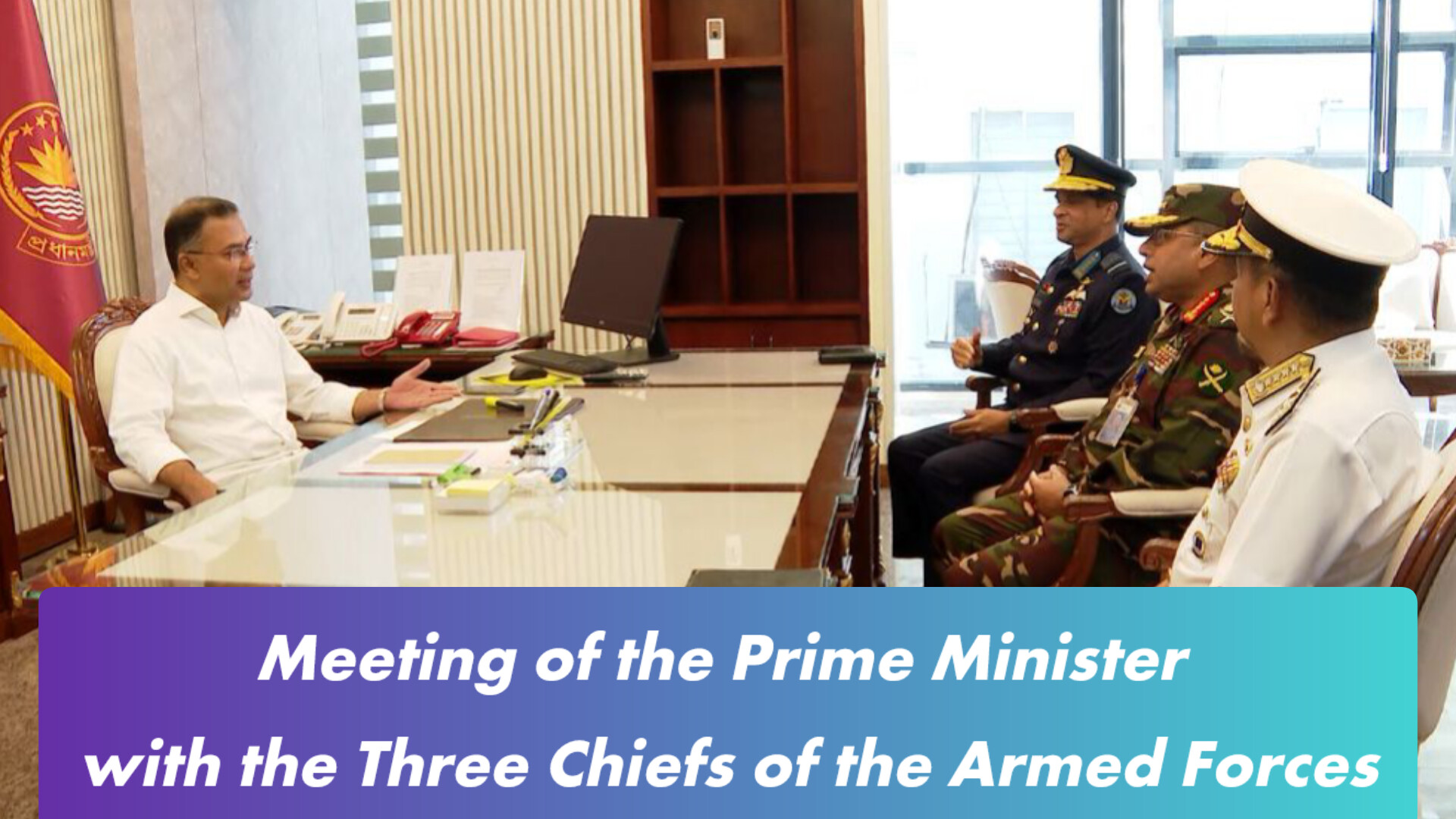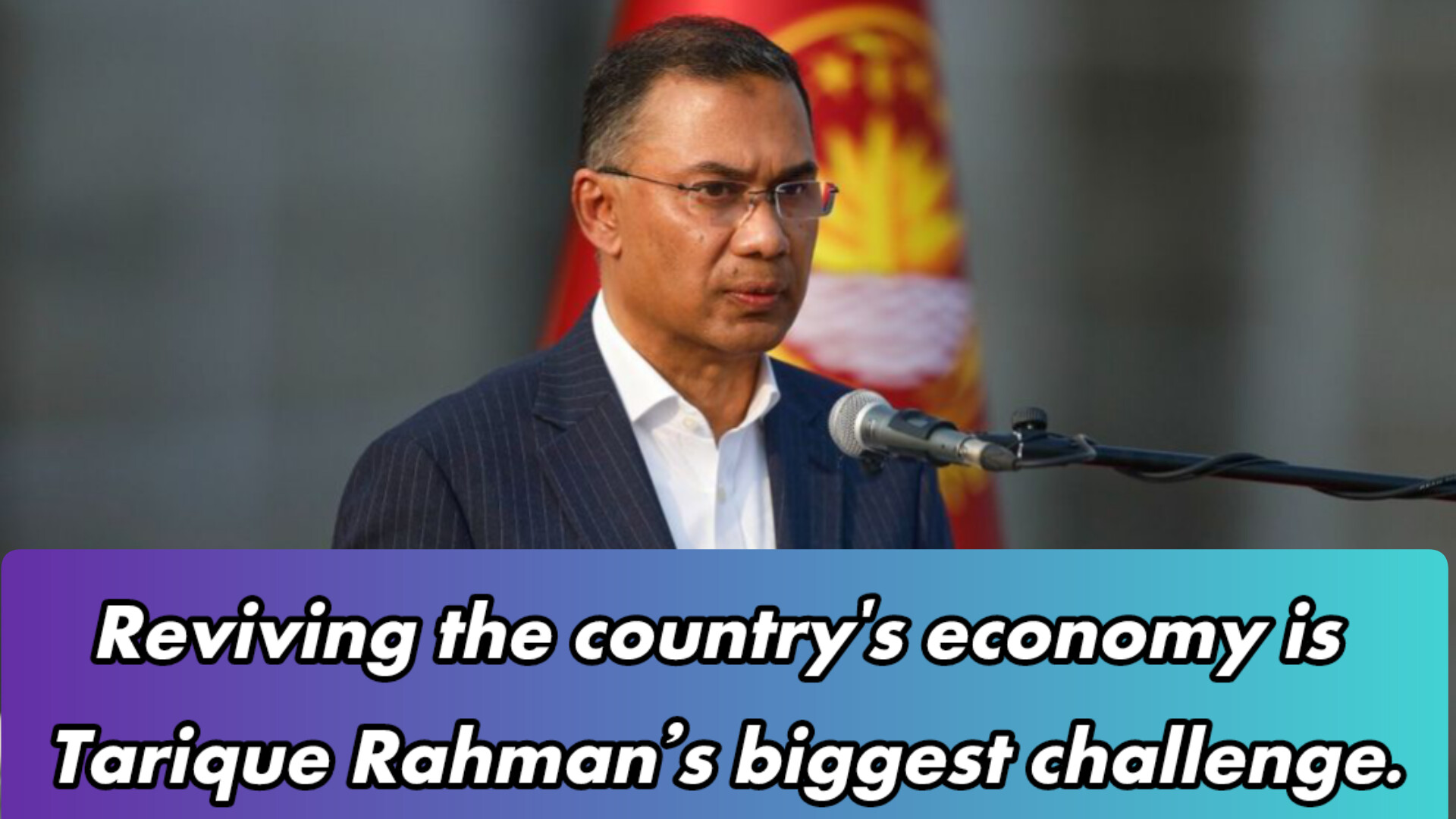
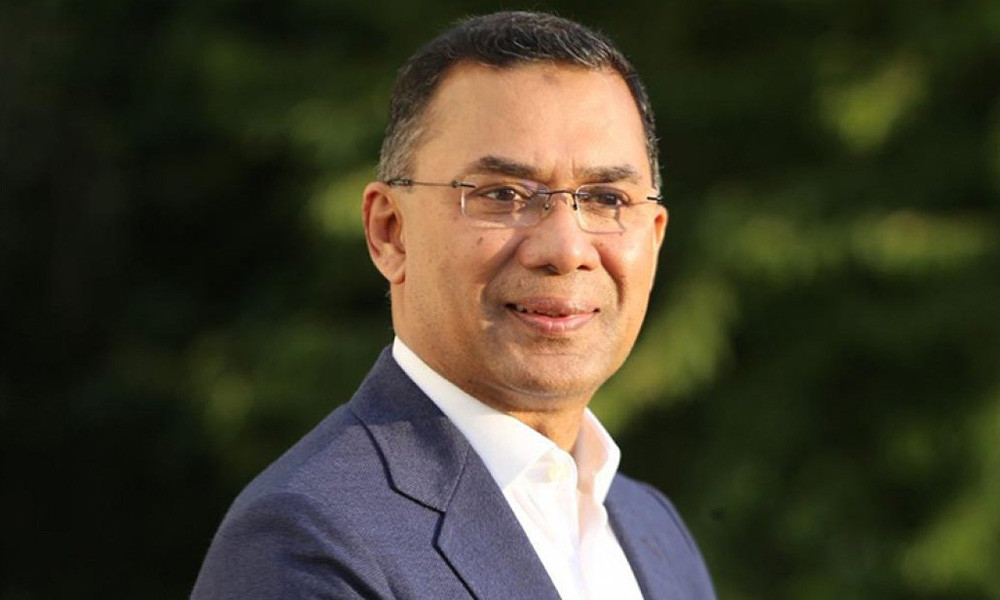
Prime Minister Tarique Rahman has expressed special interest in sending workers to Japan. He made this statement during a meeting held at the Prime Minister’s Office on Saturday (21 February). The meeting, chaired by the Prime Minister, focused on establishing an enjoyable and employment-oriented education system, creating jobs, and expanding sports infrastructure and training. A follow-up meeting was held on Sunday (22 February) at the Ministry of Expatriates’ Welfare and Overseas Employment.
Read more
The meeting at the ministry’s conference room was chaired by Senior Secretary Dr. Neyamat Ullah Bhuiyan. Expatriates’ Welfare and Overseas Employment Minister Ariful Haque Chowdhury and State Minister Md. Nurul Haque were also present.
It was informed that the newly formed government’s election manifesto includes 20 programs related to the Ministry of Expatriates’ Welfare and Overseas Employment. Since the people have endorsed the manifesto of the BNP-led government, it has now become a national program.
The preparatory meeting discussed what types of initiatives could be undertaken to implement this national program. During the discussion, Prime Minister Tarique Rahman showed particular interest in sending manpower from Bangladesh to Japan. It was noted that by 2040, Japan will require approximately 11 million young workers. At present, Bangladesh has around 2.3 million surplus young laborers.
The meeting discussed how these young people can be transformed into skilled manpower and sent to Japan and other countries around the world. There was also discussion on how Bangladesh can convert its unskilled workforce into skilled manpower for overseas employment. It was emphasized that Bangladesh has long been known mainly for supplying unskilled workers globally. To change this situation, the country must focus on exporting skilled and semi-skilled workers to international labor markets.
Given Japan’s declining youth population, it was highlighted that training should be provided according to the specific trades required by Japan, along with Japanese language education. Previously, trade-related training had been specified in 33 Technical Training Centers (TTCs).
Now, considering Japan’s demand, 20 more TTCs have been added, bringing the total to 53 centers where Japanese language and skills training are being provided. However, there is a shortage of Japanese language teachers.
Read more
The meeting discussed how to recruit more instructors to expand Japanese language education.
Discussions were also held on how to gain further support from the country’s 200 private training centers and recruiting agencies involved in sending workers abroad, particularly for Japanese language education and training.
Additionally, strategies were discussed on how to prepare for the labor market in advance so that Bangladesh can export its workforce to Japan before other competing countries. Several action plans were formulated during the meeting.
It was decided that a comprehensive action plan would be gradually implemented and presented to the Prime Minister within the next seven days. Responsibilities were distributed among the officials, and a follow-up review meeting will be held within two working days to assess progress.
Furthermore, it was decided that a consultation meeting would be held with stakeholders involved in manpower export and training for Japan, including teachers and students. Based on their opinions, a comprehensive policy paper or set of recommendations will be prepared and submitted to the Prime Minister to ensure successful implementation of the government’s election manifesto.
Minister Ariful Haque Chowdhury and State Minister Md. Nurul Haque urged all officials to move forward with efficiency and sincerity in advancing the process of sending skilled workers to Japan.